Celtic Stitches: The Hand-Crafted Font with Artisan Charm
There's a certain warmth that radiates from something made by hand. You see it in the slight imperfections of a hand-thrown pot, the uneven weave of a loomed blanket, or the personal touch of a handwritten letter. In the digital world, where precision and perfection are the norms, that human quality can feel rare. This is precisely the space Celtic Stitches occupies. It’s not just a typeface; it's a digital artifact that carries the spirit of traditional craftsmanship directly into modern design projects.
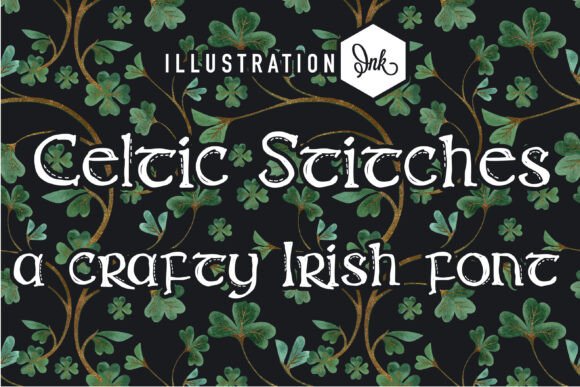
At its core, Celtic Stitches is a premium font that masterfully blends two distinct worlds: the historical elegance of Celtic knotwork and the tactile, personal feel of embroidery. Each letterform is built upon a foundation of interlaced lines, reminiscent of ancient illuminated manuscripts. However, instead of smooth, vector-perfect curves, the paths are rendered with a deliberate, stitched texture. This gives every character a hand-made, crafty feel, as if each word were meticulously sewn onto the screen. The personality of this handwritten font is authentic, rustic, and deeply personal. It avoids feeling overly whimsical or childish, instead projecting a sense of heritage, patience, and artistry. Its appeal lies in its ability to convey warmth and tradition without sacrificing clarity, making it a versatile creative font for a range of applications.
Where Celtic Stitches Truly Shines
Understanding a font's visual character is the first step. Knowing where to deploy it is where strategy meets creativity. Celtic Stitches isn't a universal workhorse like a standard sans serif font, but in the right context, it becomes an irreplaceable design asset. Its strength is in projects where you want to evoke a specific, tangible feeling.
For brand identity, this display font is a powerful choice for businesses rooted in craft, tradition, or artisanal quality. Think of a local brewery, a heritage bakery, a bespoke leather goods maker, or a craft supply store. Using Celtic Stitches in a logo or on packaging immediately communicates a hands-on, quality-first ethos. In packaging design, it can make a product feel special and considered, perfect for gift boxes, specialty food items, or handmade cosmetics. It tells a story before the customer even reads the label.
In editorial design and publishing, this serif font relative (due to its detailed, structured forms) excels at creating captivating chapter headings or title pages for novels with historical or fantasy themes. It can also bring a unique, crafted feel to blog headers for lifestyle, DIY, or cooking websites. For social media graphics, a short, impactful phrase set in Celtic Stitches can stop the scroll, adding a layer of depth and authenticity that standard fonts lack. It works beautifully for quotes, announcements, or headers on platforms like Instagram and Pinterest.
Practical Guidance for Using This Typeface
Adopting a distinctive font like Celtic Stitches requires a thoughtful approach to ensure it enhances rather than hinders your project. Here’s how to integrate it effectively.
Evaluate the Project Fit: Before you even download, ask: Does my project’s theme align with the font’s personality? Celtic Stitches communicates heritage, craft, and a hand-made quality. If your brand is ultra-modern, minimalist, or tech-focused, it will likely create visual dissonance. It’s a perfect fit for an indie game studio, a folk music festival, or a family-run restaurant. It’s a poor fit for a fintech startup or a corporate law firm.
Master Font Pairing: The golden rule with a strong display font is balance. Celtic Stitches demands attention and should be used sparingly—typically for headlines, logos, or short pull quotes. Pair it with a clean, highly readable body font. A simple sans serif font like Lato or Open Sans provides excellent contrast, letting the Celtic Stitches header pop without overwhelming the reader. A classic, understated serif font like Garamond or Georgia can also work, creating a harmonious, traditional feel. Avoid pairing it with other ornate script fonts or competing decorative typefaces.
Test for Readability: While legible at larger sizes, the intricate details of Celtic Stitches can become muddy in small body text or at low resolutions. Always test it in the context where it will be viewed. For web design, check how it renders on different screens. For print, ensure the stitching detail remains crisp. It’s generally best reserved for sizes above 18pt to maintain its character and clarity.
Review the Styles and Licensing: A quality commercial font often comes with more than one weight or style. Check if Celtic Stitches includes alternates, ligatures, or multilingual support—features that expand its utility. Crucially, understand the license. If you’re using it for a client project, merchandise, or a product you sell, you need a commercial license. Respecting font licensing is a non-negotiable part of professional practice and supports the type designers who create these valuable tools.
Ultimately, Celtic Stitches is more than just a collection of glyphs. It’s a bridge between the digital and the tangible, offering a way to inject genuine craftsmanship into your modern typography. Used thoughtfully, it can elevate a project from merely looking good to feeling authentic, memorable, and deeply human.