Modern Impact: The Power of Condensed Sans Serif Fonts
In the crowded world of design, grabbing attention quickly is non-negotiable. Whether it’s a billboard, a social media post, or the header on a website, you have seconds to make an impression. This is where the specific choice of typography becomes a strategic decision. A Condensed Sans Serif font is not just a stylistic choice; it is a functional tool for maximizing space and commanding attention. Unlike their wider counterparts, these typefaces feature tall, narrow letterforms that pack a visual punch without taking up excessive horizontal real estate. They offer a distinct blend of modern geometry and efficient utility, making them a staple in the toolkit of professional designers.
The visual personality of a condensed sans serif is defined by its structure. It typically features strong vertical stress, uniform stroke widths, and a geometric or grotesque foundation. This creates a look that is inherently clean, objective, and contemporary. There is a rhythm to these fonts that feels industrial yet approachable. They strip away unnecessary ornamentation, focusing purely on form and function. When you look at a well-designed condensed typeface, you see confidence. It doesn't whisper; it speaks with clarity. This makes it an ideal candidate for projects where you need to convey authority and modernity simultaneously.
Strategic Applications for Modern Design
Understanding where to deploy a condensed sans serif is key to unlocking its potential. Because these fonts are designed as display typefaces, they excel in environments where impact is the primary goal. Think about the last time you walked through a city center. The signage, the movie posters, and the fashion advertisements likely utilized this style. The tall proportions allow designers to stack words or fit long titles into tight spaces without sacrificing readability. In packaging design, where label real estate is precious, a condensed font allows you to include necessary information—like product names and descriptors—while maintaining a clean, uncluttered aesthetic.
For editorial design, such as magazine covers or book jackets, these fonts provide a sophisticated edge. They create strong visual anchors that guide the reader's eye down the page. In the realm of web design, a condensed sans serif works wonders for hero sections and navigation menus, especially on mobile devices where horizontal space is limited. It allows for larger text sizes without wrapping to multiple lines, keeping the layout tight and organized. Furthermore, in brand identity projects, particularly for tech startups, fitness brands, or fashion labels, this style of typography signals a forward-thinking, sleek, and efficient personality.
Influencing Perception and Hierarchy
Typography does more than spell out words; it sets a mood and establishes a visual hierarchy. Using a condensed sans serif font can significantly alter how your audience perceives your message. Because of their density, these fonts often appear darker on the page compared to standard width fonts. This "color" in the text block creates a natural focal point. If you are designing a poster or social media graphics, using a bold condensed font for your headline instantly separates the main message from the supporting body copy.
There is also a psychological component to consider. The geometric precision of these typefaces often implies efficiency, speed, and modernity. If you are a small business owner looking to appear established and professional, incorporating this style into your logo design or marketing materials can elevate your perceived value. It suggests that you are current with modern typography trends without being fleeting. However, balance is crucial. Because condensed fonts are visually dense, using them for large blocks of body text can be tiring for the eyes. They are best reserved for headlines, sub-headers, and callouts, where their unique shape can be appreciated without causing reader fatigue.
Practical Guidance for Implementation
Choosing the right typeface involves more than just liking the look of the letters; it requires evaluating the project's specific needs. When selecting a condensed sans serif, start by examining the x-height and the counter-spaces (the enclosed spaces inside letters like 'e' or 'a'). A well-designed font will have open counters even within a tight width, ensuring that the letters remain legible at smaller sizes. This is particularly important for web design, where text rendering can vary across different browsers and screen resolutions.
One of the most effective ways to use these fonts is through font pairing. The stark, geometric nature of a condensed sans serif pairs beautifully with a variety of other styles. For a classic, high-contrast look, try pairing it with a traditional serif font for your body copy. The contrast between the tight, modern headers and the flowing, readable body text creates a dynamic visual experience. Alternatively, for a more cohesive, modern feel, you might pair it with a standard width sans serif font. Avoid pairing it with overly complex script fonts or handwritten fonts unless the contrast is intentional and controlled, as the competing structures can create visual chaos.
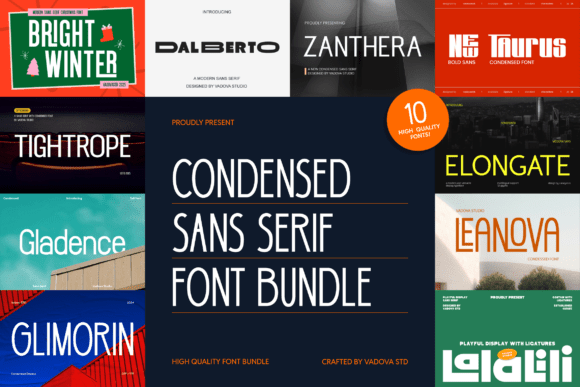
When investing in a premium font or a font bundle, pay close attention to the variety of weights and styles included. A robust family will include light, regular, bold, and black weights, as well as italic versions. This versatility is essential for creating a comprehensive brand identity. You need enough variation to differentiate between a main headline, a sub-header, and a call-to-action button without switching typefaces entirely. Additionally, always check the licensing terms. If you are creating design assets for commercial use—such as merchandise, templates, or client work—ensure you have the appropriate commercial license to avoid legal issues down the line.
Finally, test the font in context. Don't just look at the specimen sheet provided by the type foundry. Mock up your actual design. Place the text over your intended background colors or images. Check how the font renders in all caps versus sentence case. Condensed fonts often have a different rhythm when set in all caps, which can be perfect for a bold logo but might feel aggressive for a blog post title. By taking the time to evaluate the fit, test pairings, and understand the personality of the typeface, you ensure that your typography serves your message effectively, creating a professional and engaging experience for your audience.