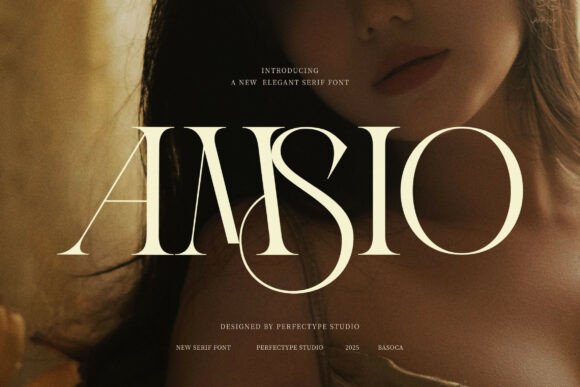
Palmore: A Vintage Display Typeface with Modern Appeal
When you're searching for a typeface that carries the weight of history but still feels fresh and approachable, you quickly realize how rare that combination is. Most vintage-inspired fonts lean heavily into nostalgia at the expense of clarity, or they strip away so much character that they lose the soul of the original era. Palmore manages to thread that needle beautifully, offering a condensed display typeface with rounded letterforms that feels both timeless and immediately usable.
At its core, Palmore is a vintage retro condensed display typeface. That description alone might sound like a mouthful, but each word earns its place. The condensed proportions give it efficiency and vertical energy, while the rounded letterforms—particularly the generous curves on letters like O and C—soften its presence and add warmth. It's a typeface that commands attention in a headline without feeling aggressive or cold.
Understanding Palmore's Visual Personality
The first thing you'll notice about Palmore is its rhythm. The condensed glyphs create a natural sense of forward motion, almost like the text is leaning into the page with confidence. But the rounded terminals and bowl shapes prevent that energy from becoming harsh. There's a give-and-take happening in every word you set with this font—tight spacing balanced by soft curves, vintage character tempered by clean construction.
This balance makes Palmore surprisingly versatile for a display font. It works in contexts where you need personality without sacrificing legibility. The large-rounded O and C are particularly effective because they create recognizable shapes that readers can process quickly, even at display sizes where every letterform is under scrutiny.
The few alternates included with the typeface add another layer of flexibility. Swapping in an alternate character can shift the mood of a headline from playful to sophisticated, giving you creative control without needing to reach for an entirely different typeface. For designers who appreciate nuance, this kind of detail matters.
Where Palmore Shines Across Real Projects
Think about the projects where a premium font needs to do heavy lifting. Logo design is an obvious starting point. A brand that wants to evoke heritage, craftsmanship, or a handcrafted sensibility will find that Palmore delivers those associations naturally. It's not trying to imitate a specific decade—it's channeling a broader feeling of classic design sensibility that works for artisan bakeries, boutique clothing labels, outdoor lifestyle brands, and independent breweries alike.
Packaging design is another area where this creative font earns its place on your design assets roster. On a shelf crowded with products competing for attention, a condensed display typeface with this much personality helps a product stand out without resorting to gimmicks. The rounded forms also make it feel approachable, which matters when you're asking a customer to pick up a product for the first time.
For editorial design and publishing, Palmore works beautifully for chapter titles, magazine headers, and feature story mastheads. It brings a sense of editorial authority while remaining inviting—exactly the combination that keeps readers engaged. Bloggers and content creators who design their own graphics will find it equally useful for social media graphics, where bold, readable type needs to perform at small thumbnail sizes and full-screen displays.
Web design applications deserve a mention too. While Palmore is primarily a display typeface and not intended for body copy, using it for hero sections, landing page headlines, and call-to-action banners can establish a strong visual hierarchy immediately. Paired with a clean sans serif font for body text, it creates a contrast that guides the reader's eye exactly where you want it.
How the Right Display Font Shapes Brand Perception
Typography is one of the most powerful tools in brand identity, and it operates on a level that most people never consciously notice. When a small business owner chooses Palmore for their logo or marketing materials, they're making a statement about the kind of brand they want to be. The vintage character suggests authenticity and staying power. The rounded forms communicate friendliness and trust. The condensed structure implies efficiency and confidence.
These associations aren't arbitrary—they're built on decades of modern typography conventions and cultural memory. A serif font might suggest tradition and authority. A script font might suggest elegance or personal touch. A handwritten font might suggest informality. Palmore occupies its own space, combining vintage display energy with a warmth that makes it feel personal rather than institutional.
For entrepreneurs and marketers, this matters because font consistency across touchpoints builds recognition. When your website headline, your packaging, your Instagram graphics, and your business cards all use Palmore, you're creating a cohesive visual language. That consistency signals professionalism, and professionalism builds trust.
Practical Guidance for Working with Palmore
Before committing to any commercial font, it's worth evaluating whether it genuinely fits your project. Start by setting a few of your actual headlines or taglines in Palmore. Does the condensed proportion work with your word lengths? Short, punchy phrases tend to perform exceptionally well in this typeface, while very long titles might need more careful spacing adjustments.
Font pairing is where many designers either elevate a project or let it down. Palmore pairs well with neutral sans serif fonts for body text—think something with open letterforms and moderate contrast. Avoid pairing it with another display typeface that competes for attention. The goal is contrast in function, not conflict in personality.
Take time to explore the included alternates and ligatures. Since Palmore is PUA encoded, accessing every glyph is straightforward across design software. This accessibility means you can experiment with character variations without technical barriers, which is a genuine practical advantage for designers working under deadlines.
Readability testing is non-negotiable. Set your text at the actual size it will appear in context—whether that's a printed poster, a mobile screen, or a product label—and view it at arm's length or on a device. Display fonts are designed for impact at larger sizes, so resist the temptation to push them into smaller applications where they lose their clarity.
Finally, review the licensing terms to ensure they cover your intended use, especially for commercial applications. Most premium font licenses are straightforward, but confirming that your specific use case—whether it's a client project, merchandise, or digital product—is covered protects both you and your client.
Palmore is the kind of typeface that rewards thoughtful use. It doesn't try to be everything, and that restraint is exactly what makes it effective. When you need a vintage retro condensed display typeface that brings genuine character to headlines, logos, and titles, this is a font that delivers real, practical value to your creative work.