Retro Font: Mastering the Art of Nostalgic Design
In the fast-paced world of modern typography, where clean sans serifs and minimalist layouts often dominate, there is a persistent, powerful pull toward the past. We crave designs that feel human, textured, and full of character. This is precisely where the "Retro Font" enters the conversation. It isn't just a collection of letters; it is a carefully crafted tool designed to inject instant personality and depth into any project. If you are a designer, entrepreneur, or content creator looking to break away from the sterile and the generic, understanding how to wield a distressed display font like this can completely transform your creative output.
The Anatomy of a Grunge-Distressed Typeface
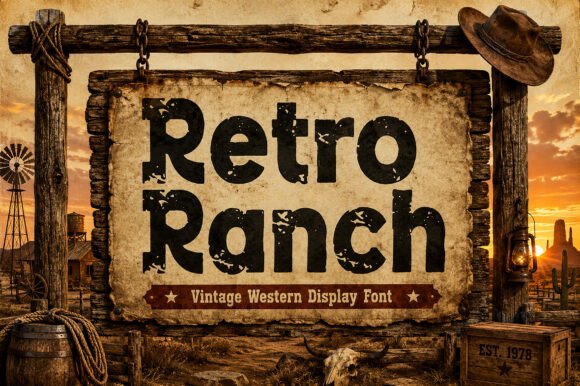
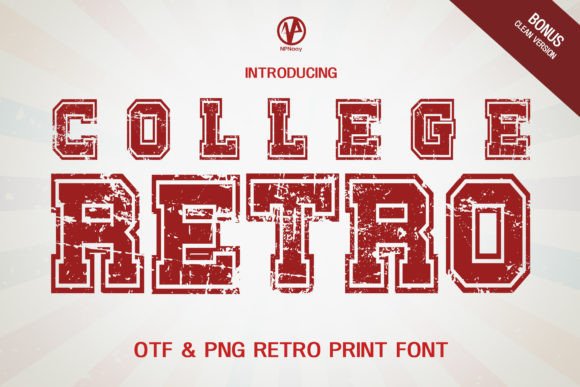
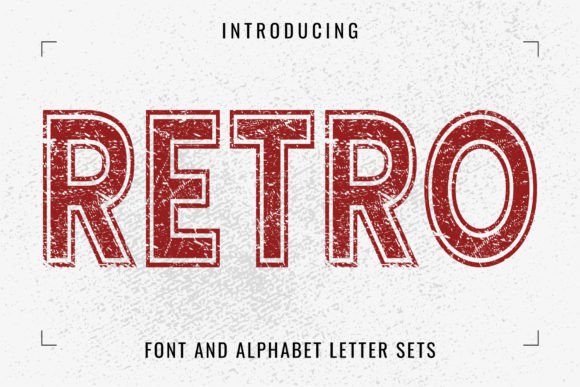
To truly appreciate the "Retro Font," we have to look past the surface level of "vintage." This typeface is a specific style of display font characterized by its heavy, textured appearance. Unlike a standard serif font or a clean handwritten font, this style features intentional imperfections—ink traps, rough edges, and weathered textures that mimic the look of letterpress printing or old signage. It possesses a gritty, tactile quality that digital screens often struggle to convey, yet this font achieves it effortlessly.
The personality of the font is unapologetically bold. It commands attention not through shouting, but through its unique voice. The letterforms often have a sturdy structure, suggesting stability and heritage, while the grunge elements add a layer of rebellion and authenticity. It bridges the gap between the ruggedness of industrial design and the whimsy of retro illustration. When you look at a logo design or a poster using "Retro Font," you don't just read the text; you feel the texture. It evokes a sense of history, craftsmanship, and timelessness that modern, geometric sans serif fonts simply cannot replicate. It is the difference between reading a text message and reading a handwritten letter from a friend.
Strategic Applications: Where This Font Shines
Choosing the right typeface for a project is about more than just aesthetics; it is about communication strategy. The "Retro Font" is a premium font that excels in specific environments where grabbing attention and establishing a mood are paramount. Its strength lies in its ability to act as a focal point, making it an ideal choice for various creative applications.
In brand identity, particularly for small businesses and startups, this font is a game-changer. Imagine a craft brewery, a barbershop, a specialty coffee roaster, or a streetwear brand. These businesses rely on a narrative of authenticity. Using this distressed display font for their logo design immediately tells the customer: "We care about quality, tradition, and style." It serves as a visual shorthand for "cool" and "established."
Beyond logos, the font is incredibly effective in packaging design. On a crowded shelf, a product wrapped in modern typography might blend in, but a package featuring a grungy, retro vibe stands out. It appeals to the tactile senses before the customer even touches the product. Similarly, in editorial design, specifically for magazine covers, feature headlines, or book titles, "Retro Font" can set the tone for the entire piece. It works beautifully for zines, music festival posters, and event flyers where the goal is to generate excitement and energy.
Don't overlook the digital space, either. In web design and social media graphics, attention spans are short. A bold, textured heading using this font can stop the scroll. It is perfect for hero sections on websites, sale announcements, and Instagram graphics that need to pop against a busy feed. However, the key is restraint. Because it is a display font, it is meant for headlines, titles, and short bursts of text, not for body copy.
The Psychology of Perception and Readability
When you select a typeface like "Retro Font," you are making a psychological contract with your audience. Typography influences how people perceive the quality and reliability of a product. A distressed, vintage aesthetic suggests that a brand has roots. It implies durability and a rejection of the "throwaway culture." For a target audience of adults aged 20 to 50, this resonates deeply. It taps into a nostalgia for things that were built to last.
However, as an experienced designer will tell you, readability is the bedrock of good design. A common mistake with creative fonts is overuse. If you set a long paragraph in a grunge display typeface, you will frustrate your reader because the eye needs clean lines to scan text efficiently. This is where the concept of visual hierarchy becomes your best friend.
Use "Retro Font" for your H1s and H2s. Use it for the call to action. Use it for the single most important word on the page. Then, pair it with a clean, highly legible sans serif font or a classic serif font for the body text. This contrast is not just practical; it is visually pleasing. The rough texture of the headlines makes the smooth body text look even cleaner, and vice versa. This interplay ensures that your design is both striking and professional, maintaining the audience's engagement without sacrificing clarity.
Practical Guide: Pairing and Implementation
Integrating a new design asset into your workflow requires a bit of testing. Here is how to get the most out of the "Retro Font" and ensure it fits your specific needs.
- Evaluating the Project Fit: Before committing, ask yourself what emotion you want to evoke. If you are designing for a law firm or a medical clinic, this distressed style might send the wrong signal. However, if you are designing for a music venue, a vintage clothing line, or a travel blog, it is the perfect fit.
- Mastering Font Pairing: Because "Retro Font" has high personality, it pairs best with "neutral" fonts. Try pairing it with a geometric sans serif for a modern contrast, or a simple serif font for a more traditional, editorial feel. Avoid pairing it with other script fonts or handwritten fonts, as they will compete for attention and create visual chaos.
- Reviewing Styles and Weights: A high-quality premium font usually comes with more than just the standard letters. Check if the font includes alternate characters, ligatures, or different weights (bold vs. light). Alternates can be incredibly useful for logo design, allowing you to swap out a standard "A" or "R" for a more unique version to customize the look further.
- Color and Texture Context: This font loves texture. Don't be afraid to use it on textured backgrounds, such as paper, concrete, or wood. When it comes to color, high contrast works best. White text on a dark background often makes the distressed details pop more than black text on white, though both are viable depending on the medium.
Licensing and Commercial Use
For entrepreneurs and professionals, the legal side of typography is just as important as the aesthetic side. When you invest in a commercial font like "Retro Font," you are purchasing a license that grants you the right to use it in profit-generating projects. This covers everything from the t-shirts you sell to the client websites you build.
Always review the licensing terms included with the download. Most standard licenses cover a specific number of users or devices. If you are a large agency with multiple designers, or if you plan to use the font in a software application or a massive social media campaign, ensure your license covers those specific use cases. Respecting the licensing of creative fonts ensures that typographers can continue to create these high-quality tools for us to use. It is an investment in the creative ecosystem.
Final Thoughts on Creative Typography
The "Retro Font" is more than just a tool for making things look old. It is a bridge to a richer visual language. In a digital world that can often feel flat and uniform, introducing a grunge-distressed display font adds a layer of humanity and artistry. Whether you are revamping a brand identity, launching a new product line, or simply creating a standout social media graphic, this font offers the versatility and character needed to elevate your work. It proves that sometimes, looking back is the best way to move forward with style.