Texas Cowboy: Authentic Vintage Blackletter for Bold Western Designs
There's a particular feeling evoked by the typography of the Old West—the bold, commanding lettering on a saloon door, the intricate swirls on a wanted poster, the rugged character of a cattle brand. For designers and creators seeking to capture that authentic frontier spirit, the Texas Cowboy font delivers a powerful punch. This isn't just another typeface; it's a premium font that channels the grit and grandeur of classic western typography, making it an indispensable design asset for specific projects.
Understanding the Visual Character of Texas Cowboy
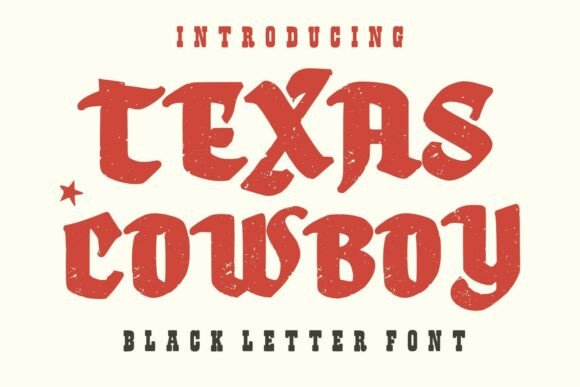
At its core, Texas Cowboy is a blackletter display font, a style historically associated with formality and tradition, but here reinterpreted with a distinctly American, rugged flair. Its visual identity is built on several key characteristics:
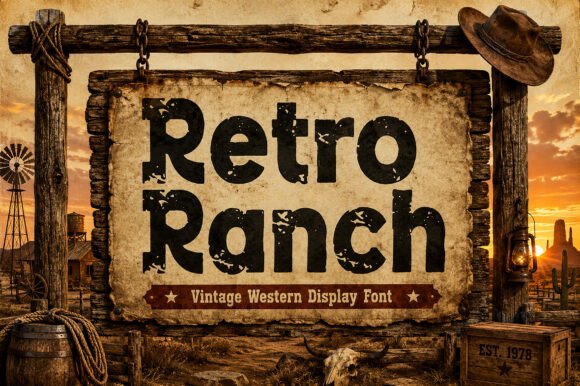
- Rough Textured Details: The strokes aren't perfectly smooth. They have a hand-hewn, weathered quality, as if stamped with worn metal type or carved into wood. This texture adds instant authenticity and prevents the font from looking digitally sterile.
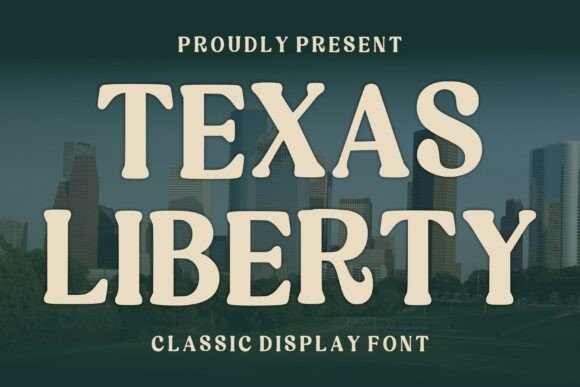
- Strong Decorative Strokes: The letterforms feature bold, assertive serifs and terminals. The capital letters, in particular, often have dramatic swashes and ligatures that command attention, reminiscent of vintage signage and show cards.
- Authentic Spirit: The overall personality is bold, classic, and full of frontier character. It doesn't whisper; it announces. This makes it a powerful tool for creating immediate visual impact and setting a specific, strong tone.
Unlike a clean serif font or a simple sans serif font, Texas Cowboy operates in a niche of modern typography that deliberately looks backward, embracing a historical aesthetic with contemporary usability. It’s a creative font designed for headlines and logos, not body copy.
Where Texas Cowboy Truly Shines: Practical Applications
The key to using a display font like Texas Cowboy effectively is context. Its strong personality means it will dominate any layout, so it's best suited for projects where that bold, western theme is intentional and central.
Branding & Logo Design
For businesses rooted in western heritage, outdoor adventure, or rustic craftsmanship, Texas Cowboy can form the cornerstone of a brand identity. Imagine it for:
- A craft brewery specializing in frontier-style ales.
- A bespoke leather goods maker or a custom hat shop.
- A western-themed restaurant, bar, or event venue.
- A logo design for a rodeo, a country music festival, or a outdoor apparel company.
In these contexts, the font instantly communicates tradition, durability, and authenticity. It tells a story before a customer reads a single word of copy.
Editorial & Packaging Design
In editorial design, Texas Cowboy can add dramatic flair to magazine covers, book titles (especially for western novels or history books), and chapter headings. For packaging design, it’s ideal for product labels on artisanal goods like hot sauce, jerky, or bourbon, where a rugged, handcrafted feel is a major selling point.
Digital & Print Marketing
While it’s not for web design body text, it’s fantastic for digital banners, social media graphics, and email headers where a quick, thematic punch is needed. In print, think vintage-style posters, event flyers for a county fair, or bold headlines in a direct mail piece. It translates well to apparel graphics, making it a strong choice for t-shirt designs, patches, and merchandise.
Personal & Hobbyist Projects
For crafters and hobbyists, Texas Cowboy opens up creative possibilities for DIY projects. Use it for personalized garage sale signage, invitations to a western-themed party, scrapbook layouts, or custom decals for a truck or toolbox. Its availability as a commercial font means these projects can also be sold, like at a local craft market.
Making the Most of Texas Cowboy: Practical Guidance
Integrating a bold typeface like this requires thoughtful execution. Here’s how to use it successfully:
Pairing for Balance and Hierarchy
The golden rule with a strong display font is contrast. Texas Cowboy needs breathing room. Pair it with a simple, clean companion font to handle supporting text. Excellent pairings often include:
- A neutral sans serif font for a modern, balanced look.
- A simple, readable serif font for a more traditional, editorial feel.
- A subtle script font or handwritten font can work for accents, but use caution to avoid visual clutter.
This contrast establishes a clear visual hierarchy, guiding the viewer’s eye from the impactful headline to the essential information.
Evaluating Readability and Project Fit
Always test the font at the actual size it will be used. Its textured details can become muddy at very small sizes. It’s engineered for impact, so ask: does my project need to feel rugged, historic, and bold? If the answer is yes, it’s a strong fit. If the goal is minimalist elegance or corporate professionalism, it’s likely the wrong choice.
Leveraging Included Styles
Many premium fonts like Texas Cowboy come with stylistic alternates, ligatures, or different weight variations. Explore these features. Swapping out a standard “T” for a stylistic alternate with a more elaborate swash can add unique flair to a logo or headline, making your brand identity even more distinctive.
Understanding Commercial Licensing
Before using Texas Cowboy in any project for a client or for sale, verify the license. Most commercial font licenses cover a range of uses—logo design, merchandise, digital ads—but always check the specifics for web embedding (for web design headers) and the number of users or installations permitted. Respecting the license protects you and supports the typographer’s craft.
In the end, Texas Cowboy is more than just a set of letters; it’s a narrative tool. It’s for the designer who needs to evoke a specific time and place, for the entrepreneur building a brand with deep roots, and for the creator who values the power of authentic, character-driven modern typography